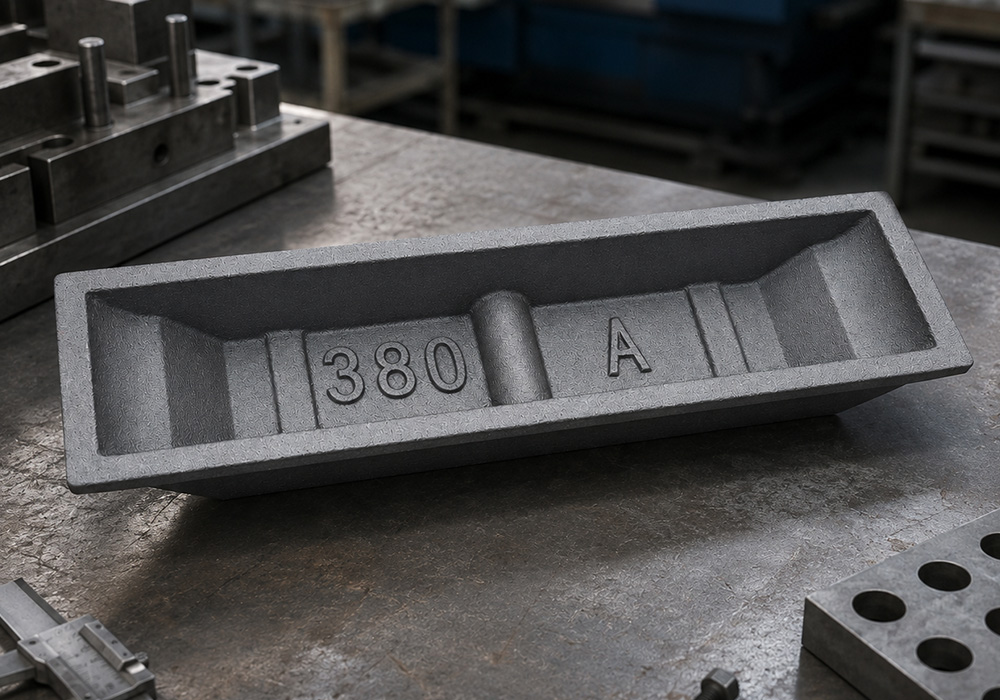
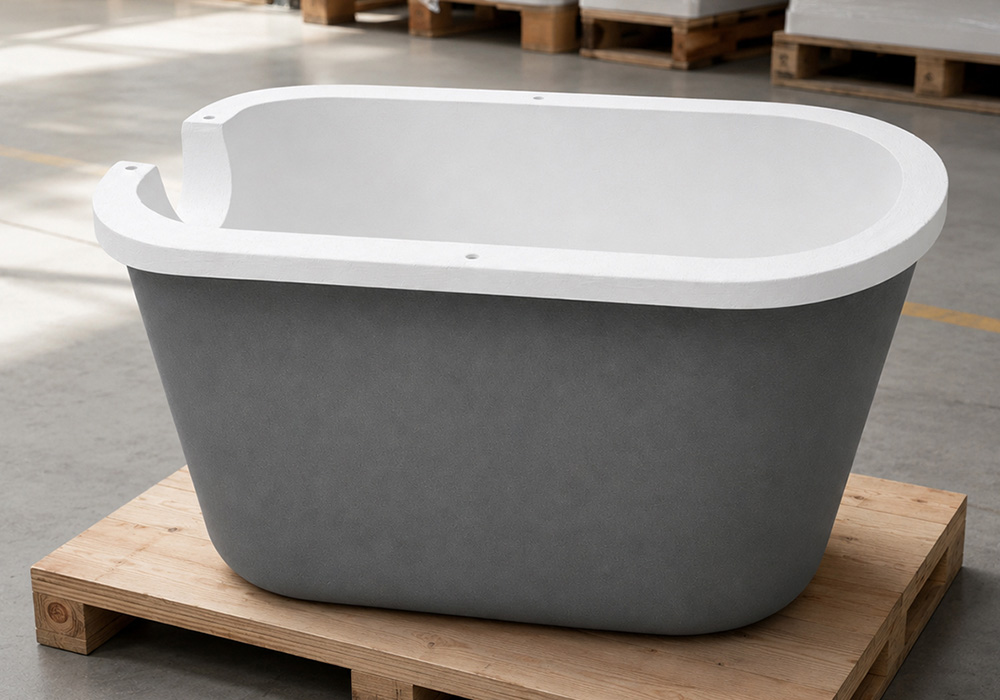
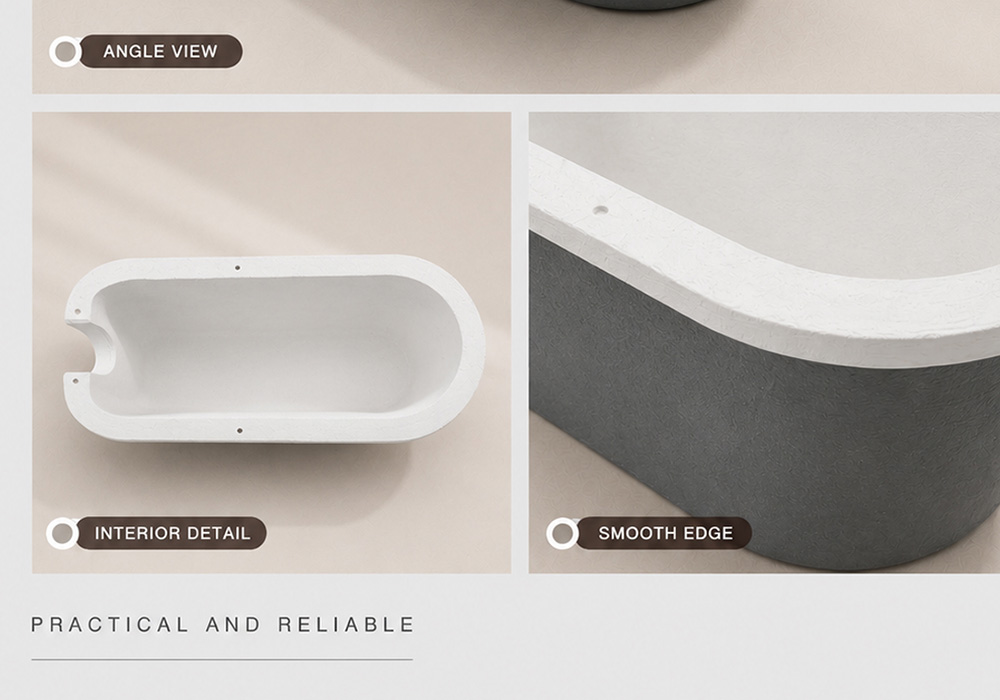
Zinc alloy crucibles are the core containers in the zinc alloy smelting process. Primarily made of cast iron, heat-resistant steel, or stainless steel, they are compatible with zinc alloy die-casting furnaces and are used to hold, melt, and maintain the temperature of zinc alloy raw materials. They are indispensable key components in zinc alloy die-casting production.
I. Core Functions
- Holding and Melting Zinc Alloy Raw Materials
They accept zinc alloy ingots, sprues, and scrap metal, heating them in the furnace to melt the solid zinc alloy into liquid zinc, providing the molten metal raw material required for die-casting production. Zinc alloy has a melting point of approximately 420℃, and the crucible can stably withstand this operating temperature.
- Maintaining a Stable Temperature for the Molten Alloy
After melting, the crucible continuously stores the high-temperature molten zinc, maintaining a stable operating temperature and ensuring the fluidity of the molten zinc. This meets the requirements of continuous casting production in the die-casting machine and avoids defects such as porosity, cold shuts, and dimensional inconsistencies caused by fluctuations in the molten zinc temperature.
- Container for Recycled Materials and Waste Recycling
It can hold recycled materials such as sprue material, flash, and scrap castings generated during die casting, allowing for remelting and reuse, improving raw material utilization, reducing production costs, and minimizing waste.
- Isolation and Protection, Reducing Oxidation Loss
The sealed crucible contains molten zinc, isolating some of the air inside the furnace and reducing high-temperature oxidation loss of the zinc alloy. It also facilitates the addition of refining agents and covering agents, achieving slag removal and purification, improving the quality of the molten zinc, and reducing zinc dross generation.
- Compatible with Die Casting Equipment, Serving as the Main Chamber of the Furnace
The core chamber of hot chamber die casting machines and zinc alloy melting furnaces, the crucible is directly installed inside the furnace body, working in conjunction with the heating system to complete the melting process. Some crucibles have flow channels and overflow structures, adapting to the feeding and injection processes of die casting machines, ensuring continuous production operation.
- Storage and Transfer of Molten Zinc
Some crucibles can be used with lifting devices to transfer molten zinc. In centralized smelting workshops, molten zinc is transported to the holding furnaces of various die-casting machines, enabling a centralized smelting and decentralized use production model.
II. Main Application Scenarios
- Zinc Alloy Hot Chamber Die Casting Production: A standard component of die-casting machine furnaces in workshops producing locks, hardware accessories, toys, automotive parts, handicrafts, and bathroom accessories.
- Centralized Smelting Workshops: Multiple die-casting machines share a central smelting furnace. Crucibles complete the melting of large quantities of zinc alloy ingots and the regeneration of recycled materials.
- Gravity Casting and Centrifugal Casting: Casting small zinc alloy parts and handicrafts, melting and holding molten zinc alloy.
- Small-Scale Smelting Tests: Laboratory and small-batch trial production, melting zinc alloy samples.
III. Key Points of Use
Molten zinc can corrode ferrous materials. At high temperatures, iron reacts with zinc to form zinc dross, which contaminates the zinc alloy molten metal. Therefore, crucibles require regular maintenance, proper coating protection, and control of the melting temperature to avoid overheating, thus extending crucible lifespan and ensuring casting quality.
Summary
Zinc alloy crucibles serve as the “metal pool” in zinc alloy die casting, fulfilling four main functions: melting, heat preservation, liquid storage, and waste recovery. They ensure the stability of the zinc molten metal’s temperature and composition, directly impacting the quality of die castings. They are widely used in the zinc alloy processing industries, including hardware, toys, auto parts, and handicrafts.